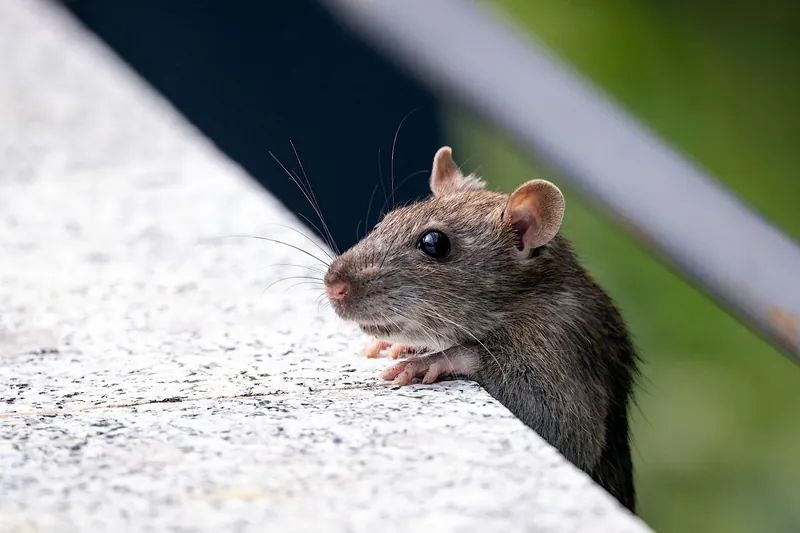
Rodent Droppings and Hantavirus Cleanup
Cleanup for rodent waste and hantavirus covers crawl spaces, attic areas and basements.
See rodent droppings and hantavirus cleanupGet bird or bat droppings, soiled insulation, nesting debris and odor removed from an attic, roof space or building in Three Lakes. Cleanup begins after wildlife exclusion is complete.
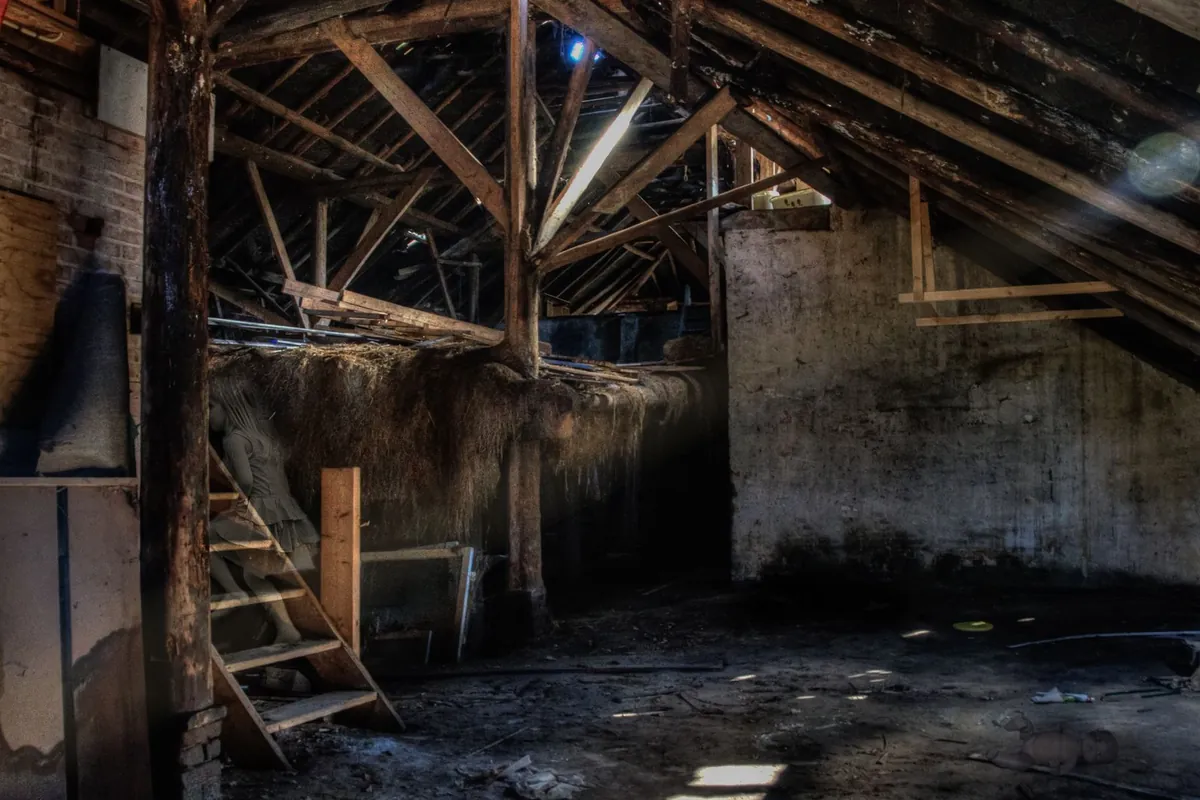
Guano cleanup is a controlled process for taking out bird and bat droppings, nests, urine residue and insulation with contamination. Cleaning comes next, with disinfection where it fits, treatment for odor and waste disposal.
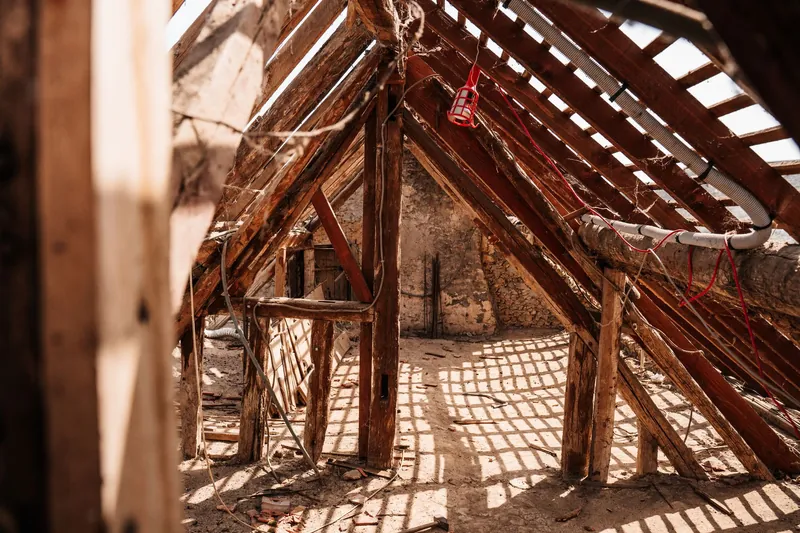
The work often takes place in attics, lofts, barns, warehouses, wall voids, vents and roof areas. Droppings can collect beneath roosts or spread across insulation and stored personal property. A careful inspection identifies the affected area, nearby air pathways and materials that can be cleaned or must be removed.
This type of biohazard cleanup is different from ordinary sweeping. Dry droppings can break into fine particles when brushed, shoveled or vacuumed with household equipment. The cleanup process uses containment, suitable protective equipment and HEPA-filtered collection methods to limit dust movement into surrounding areas.
Disposal documentation, work details and before-and-after photos can help you move forward with repair planning or an insurance claim. You may request unmarked vehicles to protect privacy.
Have the cleanup crew describe the entire process, including surfaces to be cleaned, materials that might be removed and the role of exclusion.
Ask the team how dry residue will be kept from clean rooms, and how the cleanup zone and access path will be isolated.
You should discuss personal property after it is separated and photographed, before any contaminated item is thrown away.
Professional cleaning may be appropriate when insulation contains the droppings, the affected hard surface is not small or dust could become airborne. Situations often include:
Droppings near an intake, fan or duct opening need controlled removal so loose dust does not enter occupied rooms.
Before safely removing residue left behind, have a wildlife specialist confirm the bats are gone and deal with entry gaps.
Near roof openings, bird debris may accumulate across equipment, ledges, decking and rafters.
When contamination spreads widely or penetrates deeply, separating it from porous, loose insulation may not be dependable, making removal necessary.
First, secure the space without touching the buildup. These actions can reduce the spread of residue and make conditions easier to assess:
Call (888) 440-9227According to published guides, $500 to $1,200 is the range for minor guano spot cleaning, while standard remediation runs from $1,500 to $4,000. The range for restoration of a full attic is $4,500 to $9,000. Another publication gives a range from $600 to $8,500. This separate figure applies to larger bat-dropping infestations. Your actual cost reflects the waste amount, attic size, access and whether removal of insulation is necessary.
Published national cost guides are the source for these ranges, rather than an inspection of your property. You learn what your property will cost after the on-site assessment and before any work begins.
Ask about cost: (888) 440-9227Insurance may cover the cleanup depending on its cause, the specific policy and how long the issue was developing. Infestation, routine upkeep and animal activity can fall under exclusions. Ask the insurance company about coverage before work begins if the conditions allow.
Create a file with damage notes, inspection pictures, the cleanup plan and all invoices. Confirm with the insurance company which documents it requires before materials are discarded or restoration begins.
In a rented commercial property, check which party the agreement assigns to pest control, cleanup, upkeep and roof access.
Find out if your insurance applies to cleanup services, animal-caused damage, soiled insulation and necessary restoration. Coverage for sudden damage can differ from long-term buildup.
Property owners typically coordinate cleanup concerning shared building systems, structural areas or attic space. Who pays to clean a rented property can be shaped by both the tenancy agreement and local rules.
A set order keeps the remediation work controlled. Before each step, the plan considers access conditions, dust containment, material condition and whether exclusion of the wildlife is complete.
Cleanup technicians inspect visible deposits, insulation, beams, vents and stored items, then mark the affected areas and safe access route.
Work begins after active animals are out. To prevent new deposits after cleanup, access gaps and animal exclusion measures are checked.
The affected zone is contained away from lived-in rooms. Floor protection, sealed pathways and suitable protective equipment help keep residue in the affected area.
Collection methods are selected to reduce airborne dust. HEPA-filtered machines collect tiny particles instead of releasing them again as a household vacuum may.
When waste reaches far into insulation or another porous item, the material is removed in bags instead of treated on top. Anything clean and beyond the contamination boundary does not need removal.
After cleaning exposed solid surfaces, an appropriate EPA-registered disinfectant remains on them for the complete label contact time.
Inspections look for leftover residue around beams, joints and concealed cavities. Source-based odor removal and HEPA air cleaning can improve air quality instead of adding fragrance to hide the smell.
Cleanup ends with an inspection, photos and an explanation to the property owner of any required insulation or restoration services.
Call any hour. A bird and bat guano cleanup specialist answers, explains the steps and agrees a start time with you.
Disturbing a large accumulation can put contaminants into the air. Dryness, poor airflow and an enclosed setting can increase the inhalation and contamination concerns.
Below its exposed surface, fibrous or loose insulation may contain bird or bat waste, urine and nest material. Contaminated materials and odor may remain when cleanup stops at the exposed layer.
During removal, dried droppings can crumble and release fine particles. When fungi develop in material or soil enriched with droppings, moving the affected matter can release fungal spores into surrounding air.
Tight spaces, protruding nails, weak decking and dense dust create both bodily hazards and breathing concerns. A controlled cleaning process, suitable protective gear and the product chosen all matter equally.
Can you clean it yourself? A single recent dropping on an intact, non-porous surface may be picked up with disposable gloves and damp towels, without sweeping, then cleaned with a product suitable for that surface. When residue reaches air systems or insulation, accumulates broadly, smells strongly or is hard to access, professional cleanup is needed.
The schedule is set after inspection because a surface spot, a contaminated attic and a site needing wildlife exclusion involve different work. Access, dust control, insulation removal, odor and restoration all affect the timeline.
| Scene | Typical time on site |
|---|---|
| A small, accessible area of surface contamination | Could be completed during one scheduled visit following inspection |
| Attic with deposits across insulation | Must include time to contain the site, collect residue, clean surfaces and inspect afterward |
| Major accumulation combined with restoration or exclusion work | May require staged cleaning scheduled around wildlife and repair services |
Source removal comes before lasting odor treatment. First take out droppings, nests and insulation that is deeply soiled, then treat the remaining surfaces. Covering the smell with fragrance leaves residue untouched in cracks, porous items and concealed attic areas.
Treatment of beams and other cleanable materials follows removal, and HEPA filtration can lower work-related dust in the air. Inspection should cover any vent, attic hatch or opening in a wall that may move odor or particles into occupied areas. The cleaned space also needs to stay dry, so moisture and active leaks in the roof should be corrected.
Applicable wildlife rules may change how and when active animals are excluded. Begin cleaning only after verifying that no animals remain and every required exclusion step has finished.
Use an EPA-registered disinfectant made for the affected surface and follow its label for the complete wet contact time.
Florida calls it biomedical waste, and the term covers absorbent materials saturated with blood or body fluids. The Florida Department of Health's rules control packing, transport and treatment, so it cannot go in household trash. Also verify how area disposal requirements apply to contained droppings, nest debris and insulation.
Local health and building rules can affect how a contaminated room is cleaned and when it can be used again, so mention any notice you have received from the city or county. Local offices responsible for buildings, public health or wildlife can explain other guano cleanup rules involving access, disposal and animals.
The full bird and bat guano cleanup guide covers what is cleaned or removed, odor and air quality work, and the rules that apply in Florida and Miami-Dade County.
Read the full bird and bat guano cleanup guide
Local population patterns, housing and site access may affect how containment and cleanup are planned.
At 33.4% renter occupancy, cleanup needs vary between leased units and owner occupied homes, especially around authorization for demolition.
A median year built of 1997 makes careful moisture readings useful when deciding whether wallboard or flooring can remain.
There are 218 seniors living alone locally, making simple welfare check plans useful even when the overall share is lower.
Because 82.2% of local housing is single-family, owners often can make direct decisions about removing affected structural materials.
Ask on the call about cleanup options for neighboring communities and ZIP codes.
Cleanup for rodent waste and hantavirus covers crawl spaces, attic areas and basements.
See rodent droppings and hantavirus cleanup
Removal of dead animals and related odors covers walls, crawl spaces and ventilation ducts.
See dead animal removal and cleanup
Waste and urine-soaked items are removed and ammonia odor is treated during animal hoarding cleanup.
See animal hoarding cleanup
Blood, body fluids and other infectious materials are removed, followed by property disinfection.
See biohazard cleanup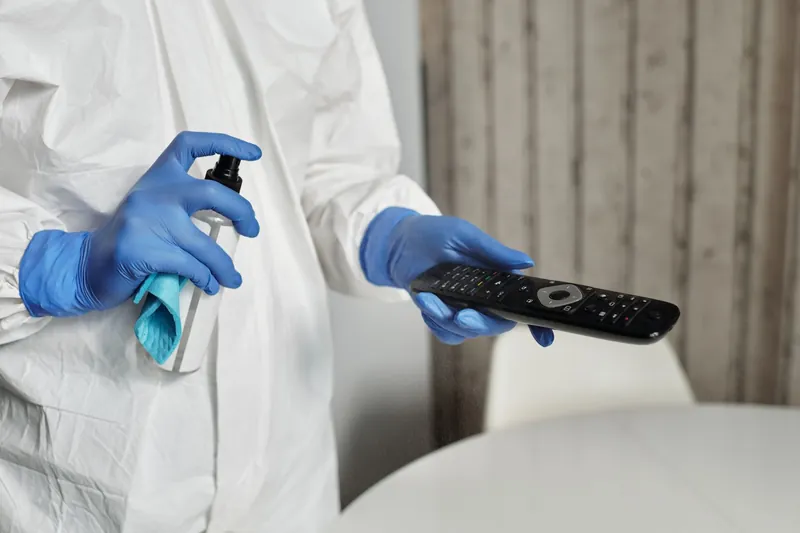
A contaminated space is restored to safe use through biological remediation and contaminant removal.
See biohazard remediation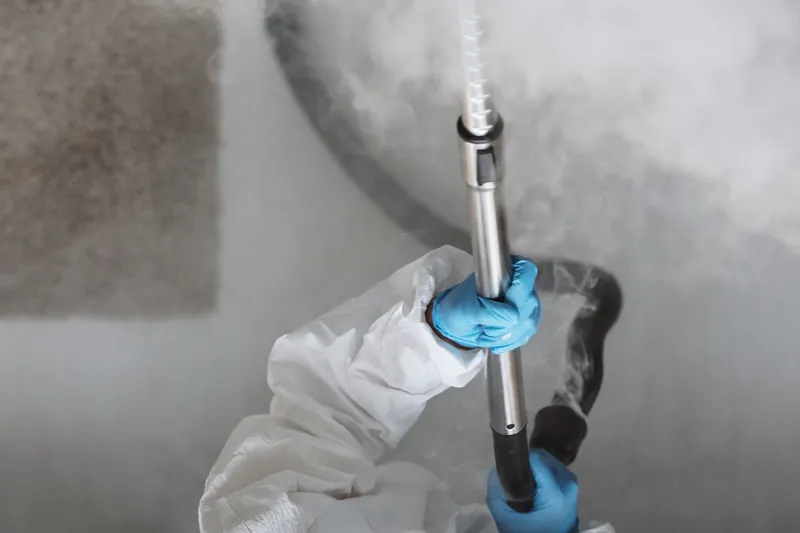
All surfaces receive full coverage with EPA-registered products for infectious disease disinfection.
See infectious disease disinfection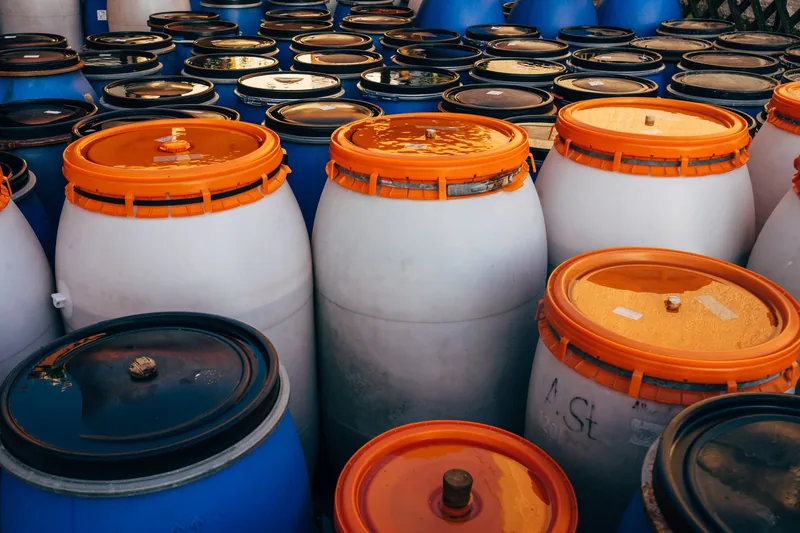
Hazmat cleanup uses the appropriate protective equipment for hazardous materials.
See hazmat cleanup
Site access and operating needs guide planning for commercial and industrial biohazard cleanup.
See commercial and industrial biohazard cleanupIt is the controlled removal of droppings, nesting debris, urine residue and affected porous materials. Depending on the site, the cleaning process can combine waste disposal, odor removal, disinfection, HEPA-filtered collection, containment and hard-surface cleaning. Before cleaning contamination, verify that the separate wildlife exclusion work has been finished.
Not necessarily. Removal depends on the areas reached by urine and waste, the depth of penetration and the ability to isolate uncontaminated insulation. Extensively affected material might need to be taken out. If protection is possible during cleaning, insulation beyond the affected areas does not require removal.
Cost guides place minor spot work at $500 to $1,200, standard cleanup at $1,500 to $4,000 and a full attic restoration at $4,500 to $9,000. Factors affecting your cost include buildup depth, attic dimensions, access conditions, removal of insulation and odor work. An inspection is needed to define the scope.
Moving a heavy, dry deposit can put fine residue and fungal spores into surrounding air. Not every deposit results in illness, and the health risk changes with the amount and site conditions. Avoid sweeping or using a household vacuum. Anyone worried about possible exposure should consult a medical professional.
Your coverage depends on the cause and policy terms. Some policies exclude infestation, animal activity or damage that developed over time. Find out whether cleanup, insulation removal and repairs are covered, and ask the insurance company what documentation to submit. Wait for the insurance company to verify your terms before treating cleanup as covered.
Although wildlife exclusion and cleanup are distinct jobs, their timing may be coordinated. You should confirm who checks the openings and makes sure every animal has left. The cleanup should begin after lawful exclusion is complete, and repairs should prevent new deposits without trapping birds or bats inside.
Respectful, discreet bird and bat guano cleanup is available 24 hours a day, and crews arrive in unmarked vehicles.